

The Allure of Near-Even Odds in Gambling
The human mind is wired to be drawn to situations that offer a perceived balance of risk and reward, and nowhere is this more evident than in gambling. Games that present near 50/50 chances, like the flip of a coin or certain roulette bets, tap into fundamental psychological drivers. This perceived fairness creates an illusion of control, making players feel more empowered and less subject to the whims of pure chance. The excitement stems from the immediate anticipation of a favorable outcome, a potent cocktail that fuels engagement and encourages continued play, nightwin offers a diverse range of such exciting opportunities.

This psychological pull is amplified by the intermittent reinforcement schedule inherent in gambling. When a player experiences a win, especially in a game with such balanced odds, the brain releases dopamine, creating a pleasurable sensation. This reward, even if small or infrequent, strengthens the association between the gambling activity and positive feelings, making it incredibly addictive. The hope of hitting that next win, where the odds seem so close to even, keeps players invested, even after a series of losses.
Cognitive Biases at Play with Even Chances
Several cognitive biases contribute to the allure of 50/50 gambling opportunities. The gambler’s fallacy, for instance, is the mistaken belief that if something happens more frequently than normal during a given period, it will happen less frequently in the future, or that if something happens less frequently than normal during a given period, it will happen more frequently in the future. In a 50/50 scenario, a player might believe that after several losses, a win is “due,” overriding the statistical reality of independent events.
Another powerful bias is the confirmation bias. Players tend to seek out and remember instances that confirm their belief in the “fairness” or solvability of a game, while downplaying or forgetting instances that contradict it. If they win a bet with even odds, it reinforces their strategy or skill. If they lose, they might attribute it to bad luck rather than the inherent probabilities. This selective memory and interpretation helps maintain the illusion that they have a better chance than the pure odds suggest.
The Role of Perception vs. Probability
In gambling, perception often trumps strict probability. While mathematically a 50/50 chance means an equal likelihood of winning or losing, psychologically it feels like a fair contest. This perception of fairness can lower a player’s guard and make them more willing to wager. The immediate feedback loop of a win or loss in these games is also incredibly compelling, providing instant gratification or disappointment that keeps players engaged with the gameplay.
The simplicity of understanding a 50/50 proposition also makes it highly accessible. Players don’t need complex calculations or deep strategic knowledge to grasp the basic odds. This ease of comprehension, coupled with the dramatic tension of a near-even outcome, creates a captivating experience. It’s this blend of apparent fairness, immediate feedback, and cognitive biases that makes games with 50/50 odds so perennially popular in the gambling landscape.
Escapism and the Thrill of the Unknown
Beyond the odds themselves, gambling, especially in environments that offer a diverse range of games with balanced probabilities, serves as a form of escapism. The act of placing a bet, whether on a spinning roulette wheel or a sports event with closely matched competitors, allows individuals to momentarily detach from everyday stresses and immerse themselves in a world of excitement and anticipation. The thrill comes from the unknown outcome and the possibility of a significant, albeit statistically improbable, win.
This psychological escape is often facilitated by the engaging interfaces and immersive experiences offered by modern online platforms. The bright lights, sounds, and the sheer variety of options contribute to a heightened state of arousal that can be both exhilarating and distracting from life’s challenges. The sense of possibility, however slim, can be a powerful draw, offering a mental break and a chance to dream of a different reality, however fleeting.
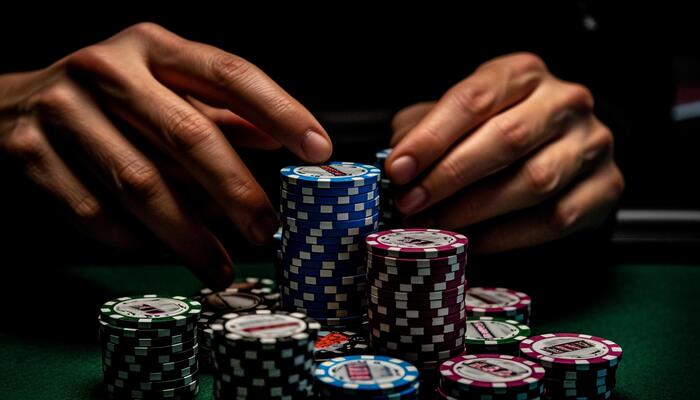
NightWin Casino: A Hub for Balanced Betting Psychology
NightWin Casino UK perfectly encapsulates the psychological appeal of gambling, particularly in its blend of casino games and sports betting. With a vast selection that includes games offering near 50/50 probabilities, like certain roulette and blackjack variations, alongside sports markets where outcomes can be incredibly close, the platform caters directly to the human inclination for balanced odds and thrilling uncertainty. Players are drawn to the accessible nature of these games, where the psychological drivers of perceived fairness and intermittent rewards are readily satisfied.
The user-friendly platform at NightWin Casino ensures that these psychologically potent experiences are easily accessible. Whether engaging with live dealer games that simulate the real-world thrill of close contests or placing wagers on sports with seemingly even chances, the site’s design prioritizes seamless navigation. This ease of access allows players to quickly engage with the psychological triggers that make gambling compelling, benefiting from secure gameplay and convenient options that facilitate repeated engagement with these near-even probability scenarios.